

























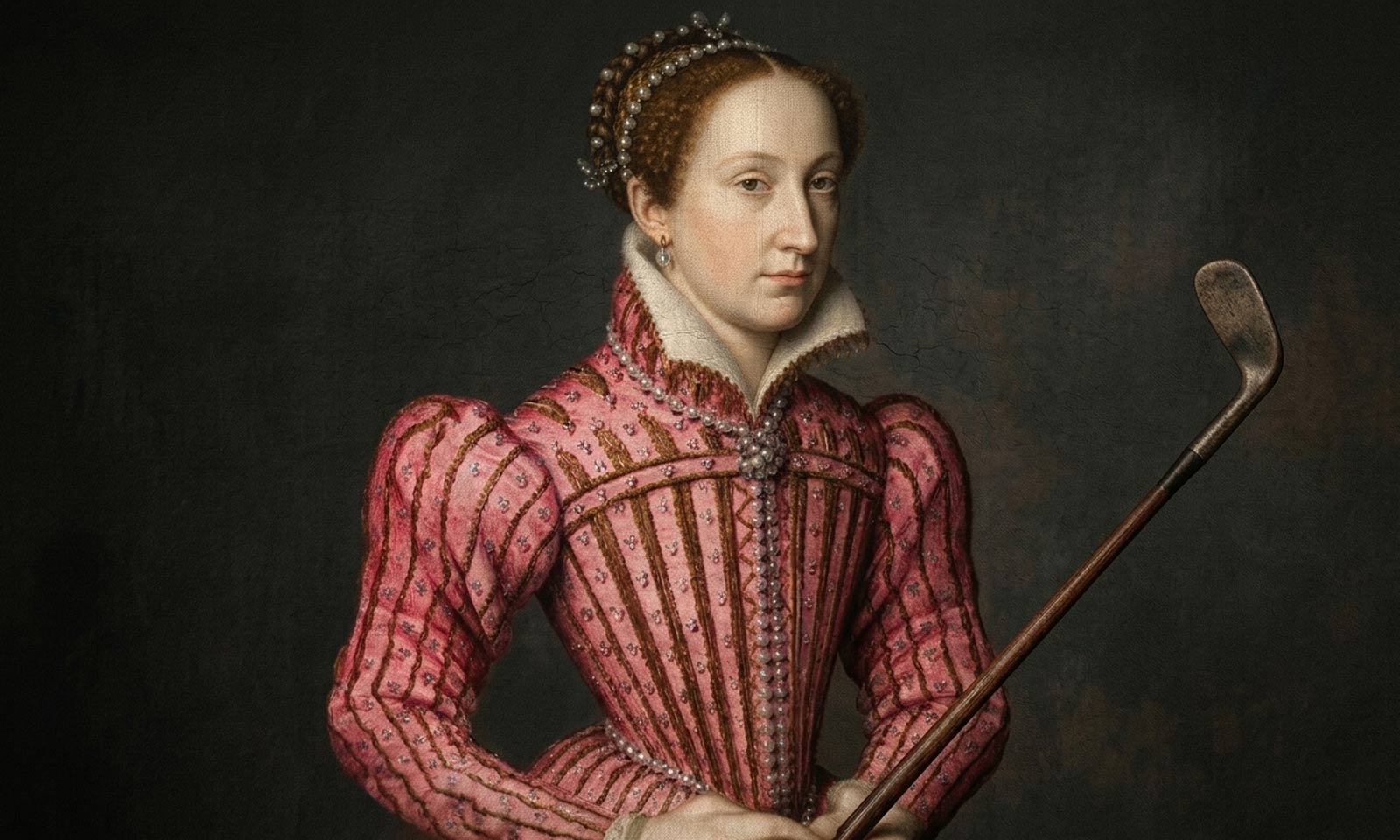
In 1552, long before golf became a global sport, Mary Queen of Scots stepped onto the fairways of Scotland and made history. Widely recognized as one of the first recorded female golfers, Mary did more than just play; she challenged social norms, introduced the concept of caddies, and helped carry the game beyond Scotland into France. At that time, her participation was considered controversial, but today it stands as revolutionary.
More than five centuries later, her legacy is no longer defined solely by defiance; rather, it is built on the foundation she helped create for women in golf.
The journey of women in golf has never been straightforward. It has been shaped by persistence, cultural shifts, and moments of undeniable progress. In 1867, the formation of The Ladies Club at St. Andrews marked one of the earliest formal recognitions of women in the game. By the early 1890s, clubs such as Shinnecock Hills Golf Club were offering women both access and membership, signaling an early movement toward inclusion in a traditionally exclusive sport.
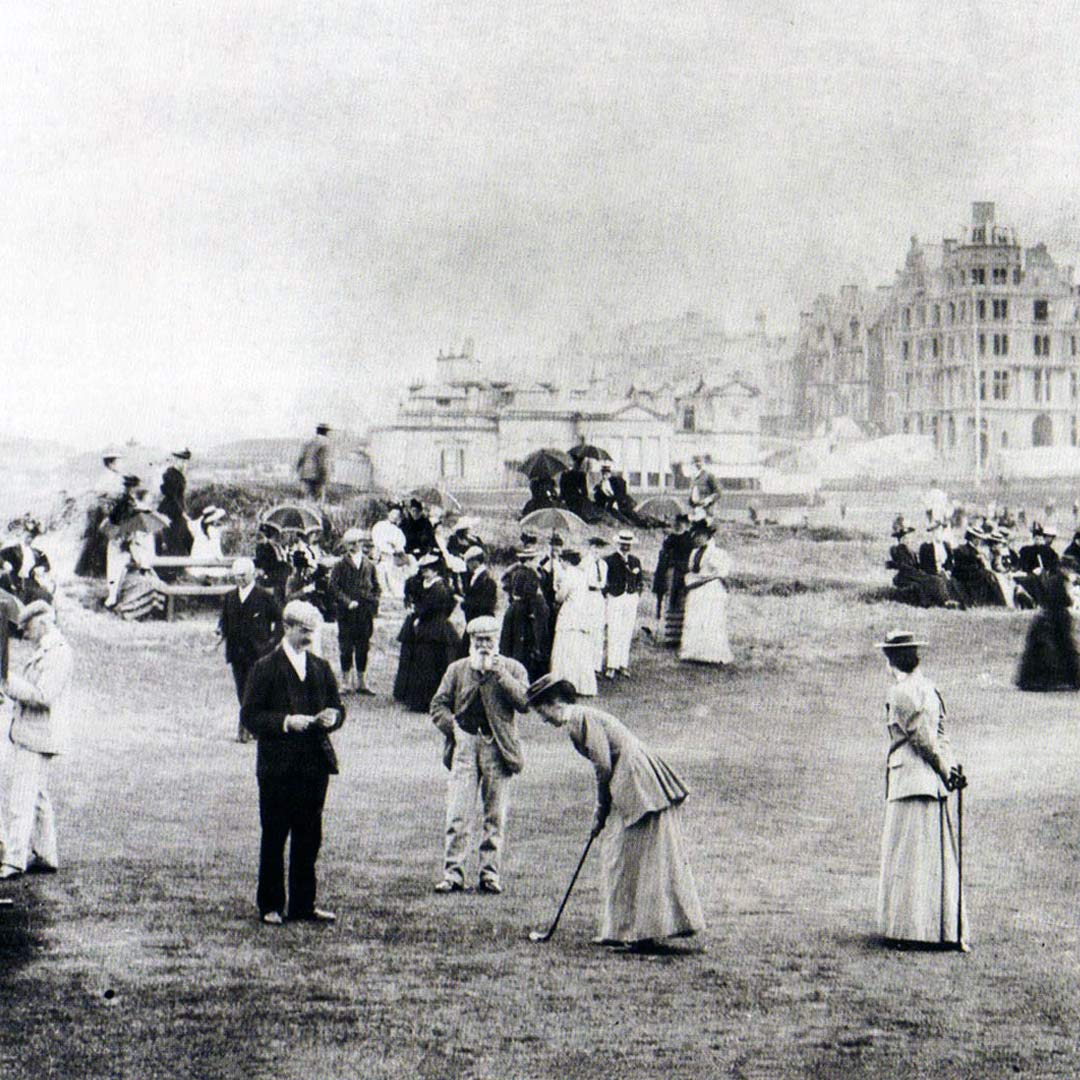
The Ladies’ Club at St. Andrews, 1894
The Ladies’ Club at St. Andrews, 1894
Innovation followed. In 1893, Issette Miller introduced the handicap system, a concept that would ultimately level the playing field across all levels of competition, paving the way for greater participation among women in golf.
By the early 20th century, women were no longer just participants; they were competitors. Glenna Collett emerged as a dominant force, elevating the visibility of women’s competitive golf. Still, structural inequities remained, particularly in terms of compensation and opportunity. When Betty Hicks earned just $500 at the 1943 Tam O’Shanter Tournament compared to the $14,000 awarded to Byron Nelson, it became a defining moment. That disparity helped catalyze the formation of the Ladies Professional Golf Association (LPGA) in 1950, led by pioneers such as Babe Didrikson Zaharias and Patty Berg.
They didn’t just create a tour; they created a platform for women in golf.
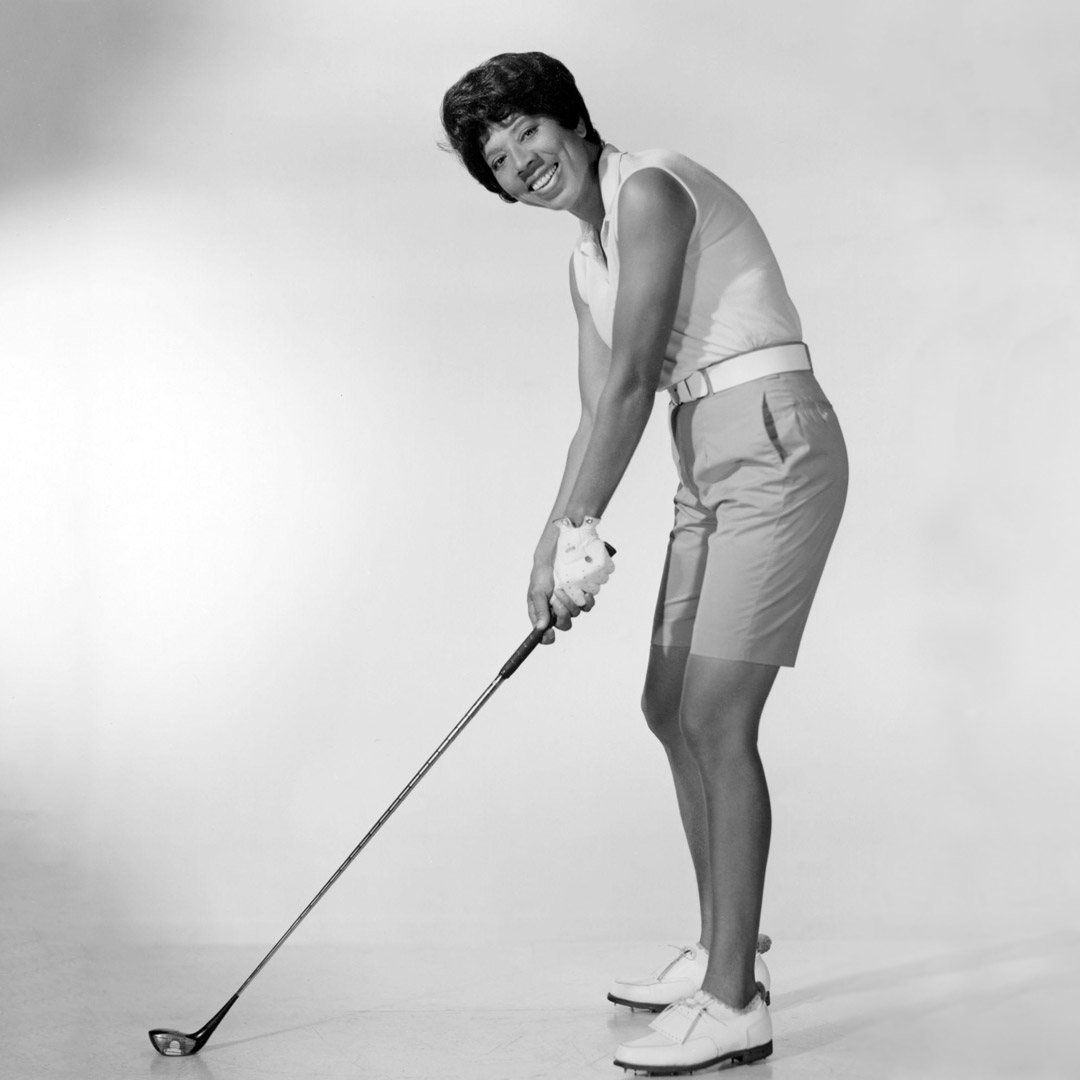
Althea Gibson, LPGA pioneer, 1964
Yet, even as the professional game began to take shape, true inclusion remained a challenge. For women of color, access to the sport was influenced by both gender and racial barriers that extended beyond the course.
In 1964, Althea Gibson broke through those barriers, becoming the first Black woman to compete on the LPGA Tour. Already a champion in tennis, Gibson entered golf at a time when opportunities were limited and representation was nearly nonexistent. Her presence alone challenged the status quo and expanded the definition of who belonged in the game, laying the groundwork for future generations.
Today, players like Mariah Stackhouse and Cheyenne Woods continue that legacy. Stackhouse has emerged as both a competitor and an advocate for greater diversity in the sport. Woods, whose presence has brought renewed visibility, has also played an important role in broadening golf’s cultural reach.


Brooke Henderson, golf champion
Together, they embody a modern era where representation matters not only for visibility but also for opportunity. Their journeys underscore how far the game has come and how much work remains to be done for women in golf.
As Women’s History Month 2026 draws to a close, the story of women in golf is no longer just about access or equality. It is about influence, ownership, and the continued expansion of the game’s cultural and competitive landscape.
From grassroots programs introducing young girls to golf to evolving formats that make the sport more accessible, the modern era reflects a shift toward inclusion and adaptability. While challenges such as time, cost, and access still exist, the momentum is undeniable.
More than 500 years after Mary Queen of Scots first picked up a club, women are no longer just participants in the game; they are helping to define its future. In many ways, the revolution she quietly began is still unfolding, paving the way for future generations of women in golf.